Safety & Resources

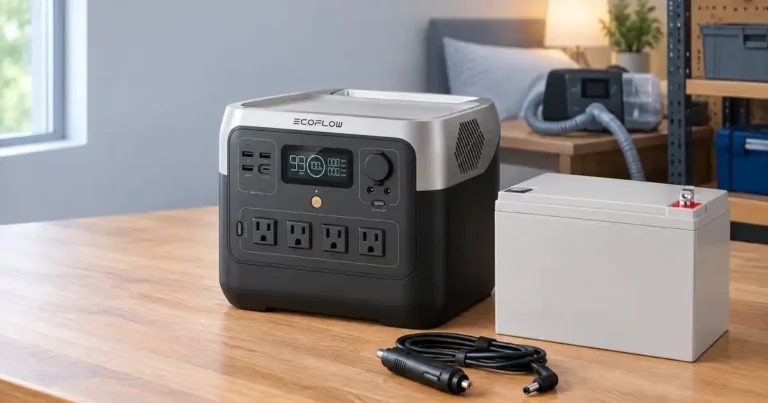
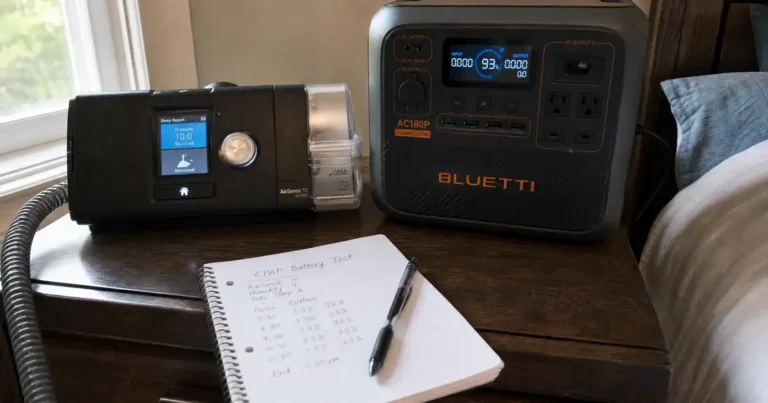
Solar backup power for medical devices sits at the intersection of consumer electronics and life-critical healthcare equipment — and most product review sites treat it like the former while ignoring the latter entirely. The safety standards, electrical requirements, and financial considerations that apply to a CPAP or oxygen concentrator power system are fundamentally different from those that apply to a camping trip. Pure sine wave output is not optional — it is specified by every major CPAP and oxygen concentrator manufacturer as a requirement. Modified sine wave inverters can cause motor overheating, control board damage, and erratic device behavior. Battery chemistry matters: LiFePO4 cells offer 3,000 to 5,000 charge cycles with a significantly lower thermal runaway risk than NMC lithium-ion cells — a meaningful distinction when a power station sits next to a hospital bed or in a patient’s bedroom.

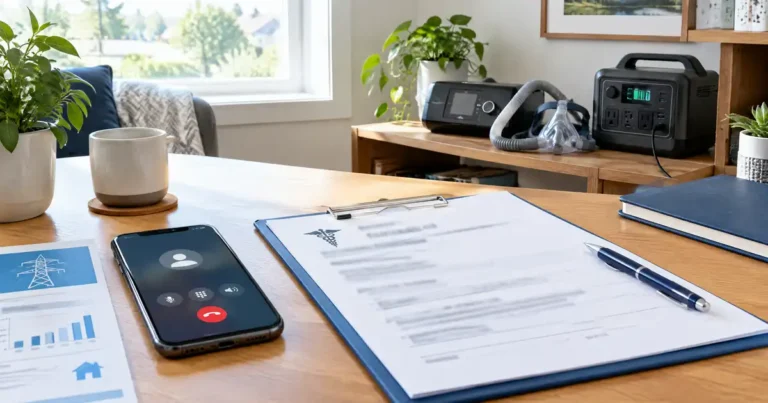
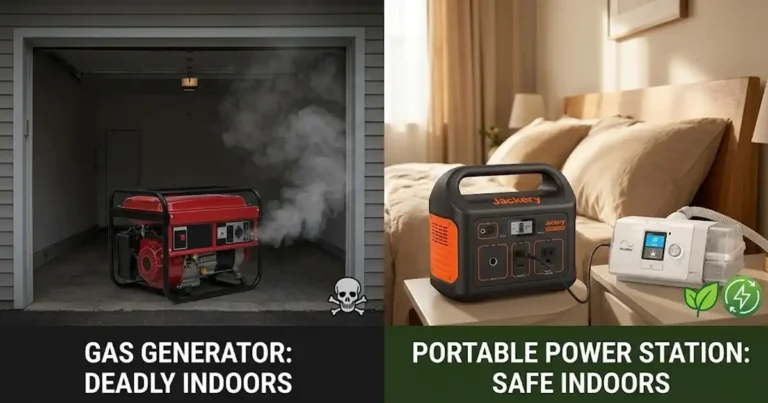
This section covers the full spectrum of safety, compliance, and financial guidance that medical solar backup users need and almost never find in one place. On the safety side, we cover: safe indoor placement of portable power stations near medical equipment; IEC 60601-1 electrical safety standards for medical-grade power; EMF output levels from major power station brands; carbon monoxide risks and why solar generators eliminate them entirely; lithium battery fire risk, storage, and ventilation guidance; and OSHA battery storage requirements relevant to home healthcare settings. On the financial side, we publish the most detailed HSA and FSA reimbursement guidance for solar generators available online — including how to obtain a letter of medical necessity, which ICD-10 codes support the reimbursement claim, which power station brands have successfully been reimbursed by major HSA administrators, and what to do if your claim is denied. We also cover Medicare, Medicaid, and supplemental insurance coverage landscapes for home medical power backup.

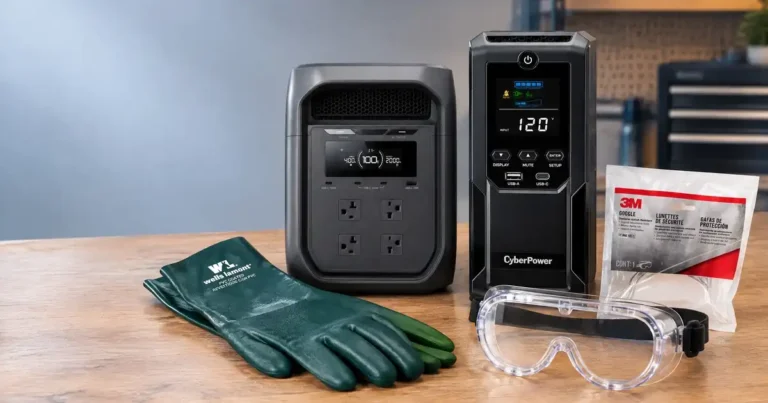
Finally, our technology comparison guides help you make informed decisions without needing an engineering degree: LiFePO4 versus lead-acid for medical applications, solar generator versus gas generator safety and runtime, UPS versus portable power station for CPAP use, MPPT versus PWM charge controllers, and portable versus standby backup generators for home healthcare. This is the research section that turns a confusing buying decision into a confident one.

End of content

End of content