CPAP Power

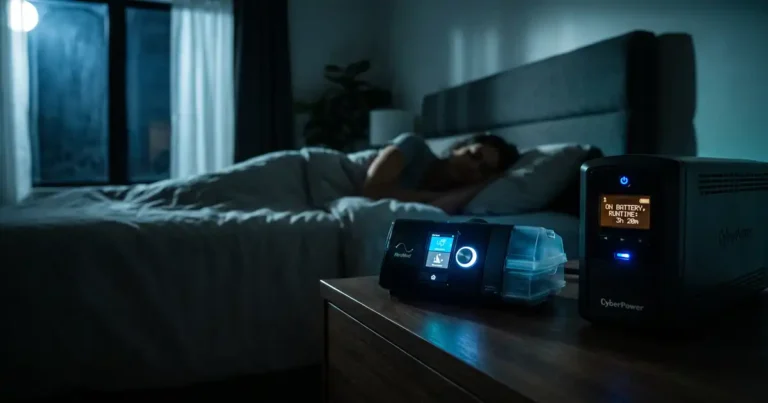
For the millions of Americans who rely on CPAP or BiPAP therapy every night, a power outage is not just an inconvenience — it is a direct threat to sleep, breathing, and long-term health. Most CPAP machines draw between 30 and 80 watts per hour. With a heated humidifier running, that figure can climb to 110 watts or more. That means a single overnight session can require anywhere from 250 to 900 watt-hours of stored energy, depending on your machine, your settings, and how long you sleep. Choosing the wrong backup power source — one without pure sine wave output, insufficient capacity, or the wrong DC cable — can damage your device or leave you without therapy mid-night.

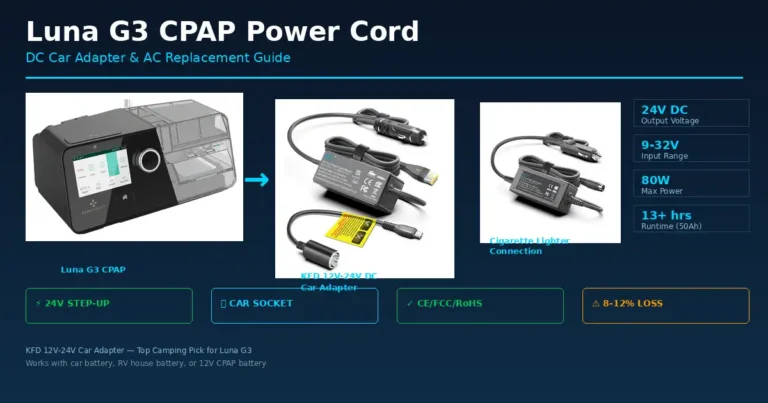
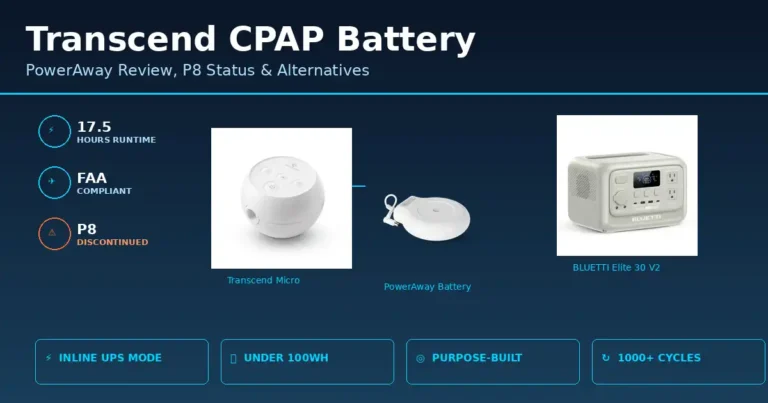
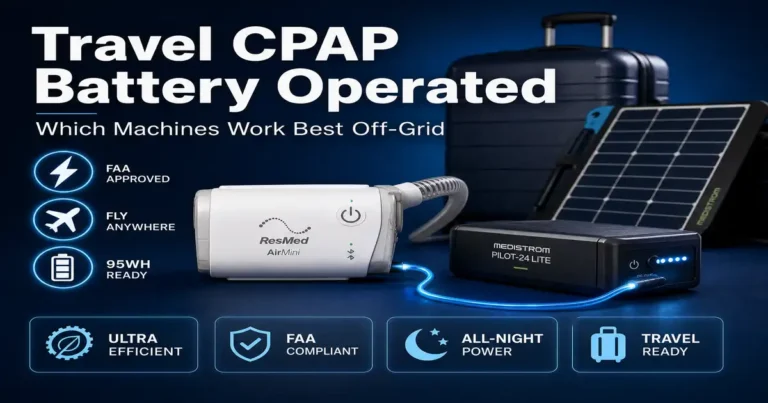
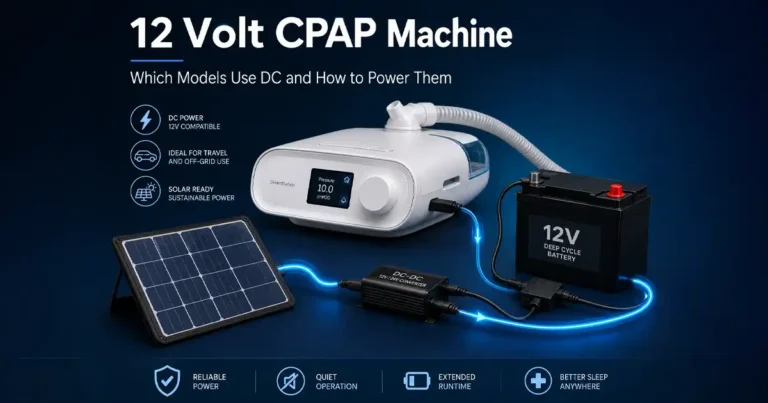
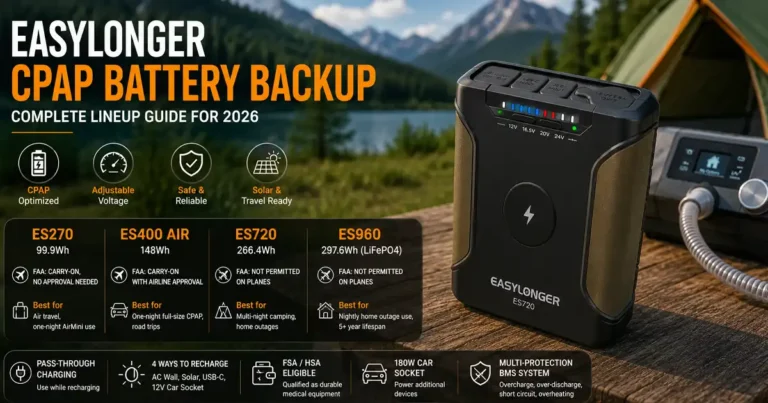
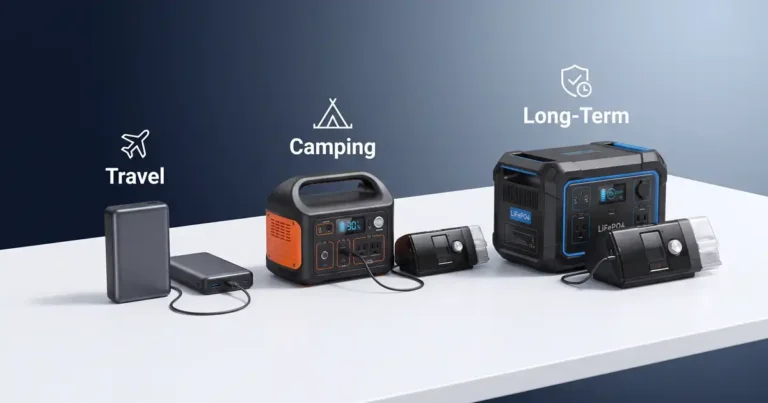
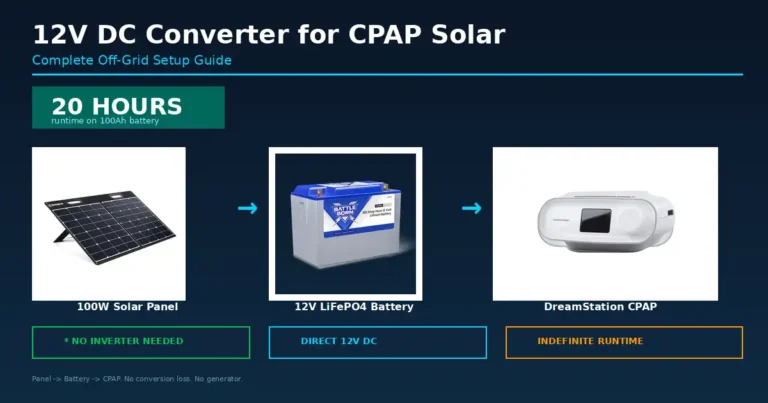
This section of MedicSolar.com covers everything CPAP and BiPAP users need to stay powered — on the grid, off the grid, and everywhere in between. Every recommendation here is validated against real device wattage data, not manufacturer estimates. We cover LiFePO4 solar generators and portable power stations from Bluetti, EcoFlow, Jackery, and Anker; DC charging cable setups that can double your runtime by bypassing the AC inverter; device-specific setup guides for ResMed AirSense 10 and 11, DreamStation 2, Luna G3, Fisher & Paykel SleepStyle, ResMed AirMini, and over 15 additional models; and detailed technical FAQs on topics like pure sine wave requirements, humidifier load management, voltage spike protection, and how to calculate exactly how many watt-hours your setup needs for one, two, or three nights of uninterrupted therapy.

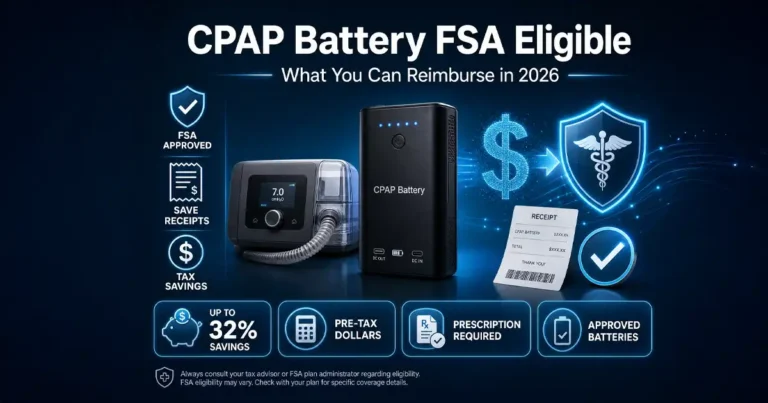
We also cover the financial side. HSA and FSA reimbursement for solar generators is possible with a letter of medical necessity from your prescribing physician — and we walk you through exactly how to get one. If you are preparing for hurricane season, planning a camping trip, or simply want peace of mind the next time a storm rolls through, this is your most comprehensive resource for CPAP backup power on the internet.

End of content

End of content