Solar Generator Tax Deductible Medical Use: What the 7.5% AGI Rule Actually Means
 By Lee Arnold
Medical Solar Power Backup Specialist | 8+ years in the field
Quick Answer:
A solar generator tax deductible medical purchase is real, but it comes with two catches most guides skip. First, you can only deduct medical expenses — including this one — that exceed 7.5% of your adjusted gross income, and only if you itemize on Schedule A instead of taking the standard deduction.
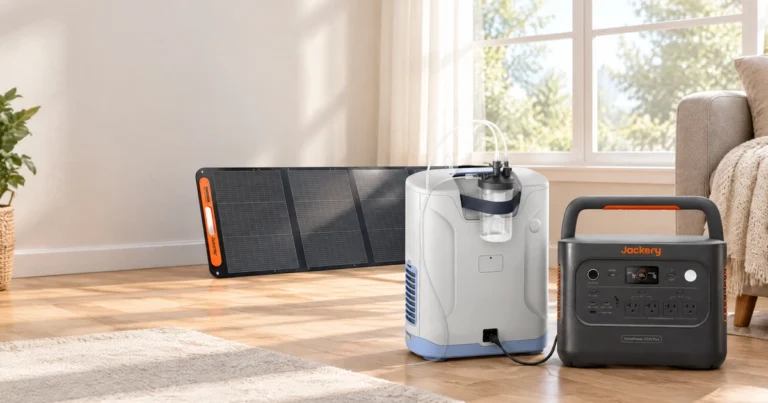
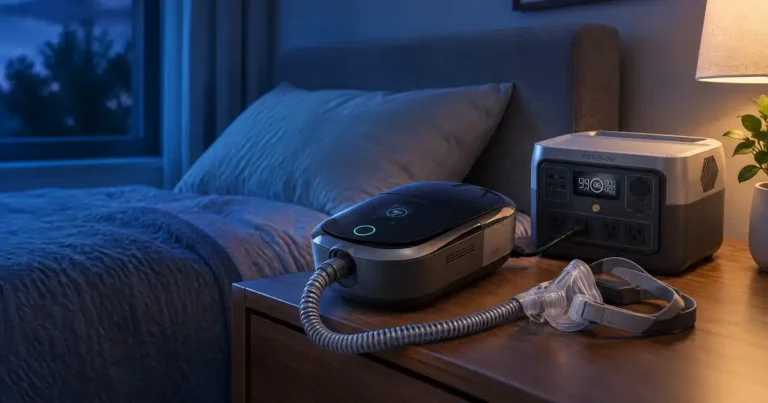
Second, the tax treatment depends on what you actually bought. A portable power station is an ordinary medical expense, tested the same way as any other prescribed equipment. A permanently installed solar-plus-battery system tied to your house is a different animal — potentially a capital home improvement, with its own separate rule.
This is a genuinely different question from HSA or FSA eligibility, which we cover elsewhere on this site — those are pre-tax account reimbursements, not itemized deductions, and the rules don’t overlap the way people assume.
Most “is X tax deductible” content stops at “yes, if it’s medically necessary” without mentioning the two things that actually determine whether this deduction helps you: the AGI threshold, and whether you’ll clear the standard deduction at all. This one covers both, plus the capital-improvement wrinkle for anyone considering a permanently installed system.
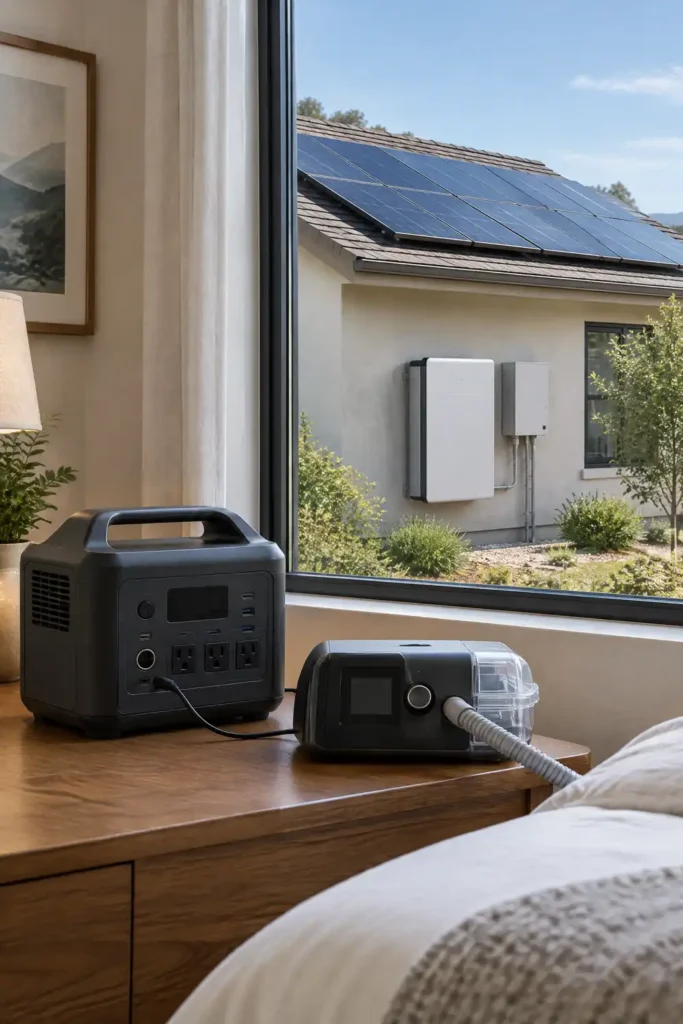
Table of Contents
The Real Test: Medical Necessity, Not the Product Category
IRS Publication 502 doesn’t name generators, batteries, or solar equipment specifically. What it defines instead is the underlying test: expenses for “the diagnosis, cure, mitigation, treatment, or prevention of disease, or payments for treatments affecting any structure or function of the body.”
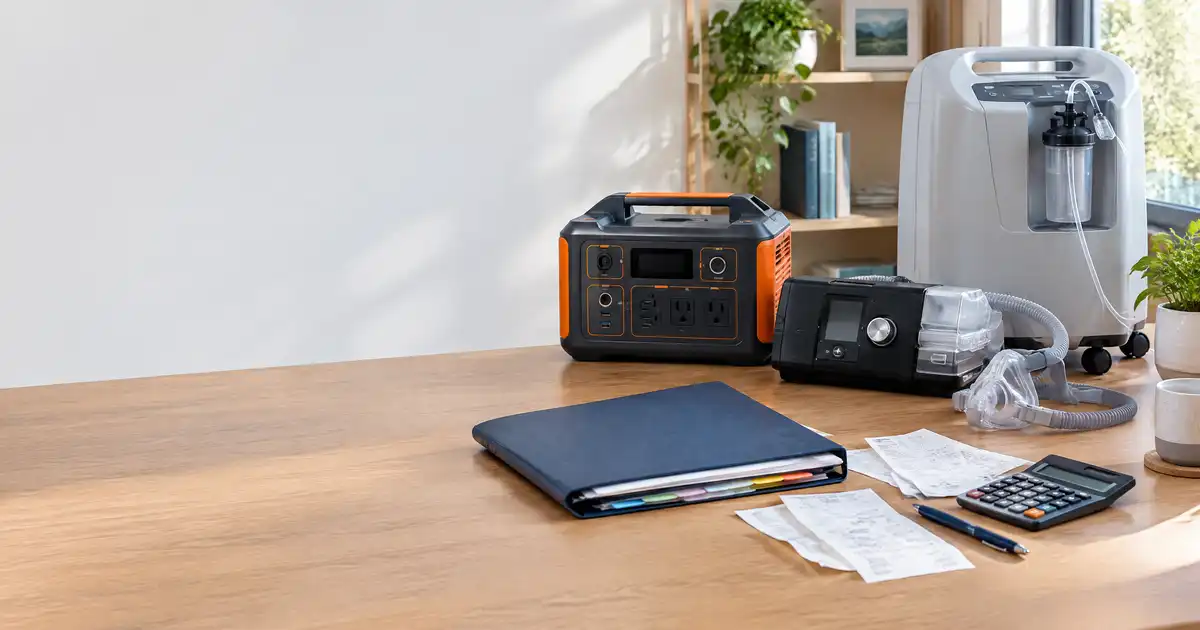
A solar generator bought to keep a prescribed CPAP machine, oxygen concentrator, or dialysis equipment running during an outage clears that test the same way the device itself does — but it needs the same documentation, typically a letter of medical necessity tying the purchase to a specific prescribed device. We cover the actual template for that in our letter of medical necessity guide.
The Itemization Reality Check Most Guides Skip
Here’s the part that actually determines whether this deduction is worth pursuing. IRS Topic 502 is explicit on two points: you can only deduct medical expenses above 7.5% of your adjusted gross income, and you can only claim them if you itemize deductions on Schedule A rather than taking the standard deduction.
For 2026, the IRS standard deduction is $16,100 for single filers and $32,200 for married couples filing jointly. Unless your total itemized deductions — medical expenses included — exceed that number, itemizing doesn’t help you, and the solar generator deduction goes unused regardless of how well-documented it is.
In practice, this deduction tends to matter most for households already itemizing for other reasons, or those with genuinely high annual medical costs where the 7.5% threshold is easier to clear.
Portable Power Station vs. Permanently Installed System: Two Different Tax Treatments
This is the distinction most content on this keyword misses entirely. A portable power station is personal property, tested as an ordinary medical expense under the rule above — no different from a wheelchair or a hospital bed, tax-wise.
A permanently installed solar-plus-battery system tied to your home is different. IRS Publication 502’s own capital expense rule states that “the cost of permanent improvements that increase the value of your property may be partly included as a medical expense,” with the deductible amount reduced by whatever value the improvement adds to your home.
There’s a real exception worth knowing, though: the same publication states that “certain improvements made to accommodate a home to your disabled condition… don’t usually increase the value of the home and the cost can be included in full as medical expenses” — the example list covers things like ramps and widened doorways.
Publication 502 doesn’t specifically address whether a medically necessary backup power system qualifies for that same full-deduction treatment, so this is worth a direct conversation with a tax professional before assuming either way, rather than guessing.
Tax Deduction vs. HSA/FSA: Not the Same Thing
It’s easy to conflate this with the HSA/FSA content we cover elsewhere on the site, but they’re genuinely different mechanisms. An HSA or FSA reimbursement uses pre-tax money you’ve already set aside, with no AGI threshold and no itemization requirement — covered in our FSA eligible CPAP O2 accessories guide.
A Schedule A medical expense deduction is a completely separate path: money you already spent out of pocket, deducted after the fact, only above the 7.5% AGI line, and only if itemizing beats the standard deduction. You generally can’t double-dip — an expense reimbursed through an HSA or FSA isn’t also deductible on Schedule A, since you didn’t pay it with after-tax money.
How This Differs From Our Other HSA/FSA and Insurance Guides
Our letter of medical necessity guide, FSA eligible CPAP O2 accessories guide, and Medicare Part B DME emergency backup guide each cover a different payment mechanism — HSA/FSA reimbursement, insurance coverage, and Medicare policy respectively. This guide is the one dedicated specifically to the itemized tax deduction path, which none of those cover in depth.
FAQs
Is a solar generator tax deductible if I don’t itemize my taxes?
No. Medical expense deductions, including a solar generator bought for a prescribed medical device, only apply if you itemize deductions on Schedule A. If you take the standard deduction, this expense provides no tax benefit.
Do I need a letter of medical necessity to deduct a solar generator?
Documentation tying the purchase to a specific prescribed device strengthens the claim significantly, the same way it does for HSA/FSA reimbursement. Our letter of medical necessity guide covers the actual template.
Can I deduct a solar generator and also use my FSA for it?
Generally no. An expense reimbursed through an HSA or FSA was paid with pre-tax money, so it isn’t also eligible for a Schedule A deduction, which is meant for money spent out of pocket.
Is a permanently installed solar backup system deducted differently than a portable one?
Yes. A portable power station is tested as an ordinary medical expense. A permanently installed system tied to your home may fall under IRS Publication 502’s capital improvement rule, where the deduction is reduced by any increase in your home’s value — though a full disability-accommodation exception may apply in some cases.
What’s the actual dollar threshold before this deduction helps me?
There’s no fixed dollar figure — it depends on your adjusted gross income (7.5% of AGI) and whether your total itemized deductions exceed the standard deduction ($16,100 single, $32,200 married filing jointly for 2026).
Bottom Line
A solar generator tax deductible medical claim is real, but it’s not automatic and it’s not always useful. The 7.5% AGI threshold and the itemization requirement mean this deduction mainly helps households already itemizing or facing genuinely high medical costs, and the tax treatment splits meaningfully between a portable power station and a permanently installed system.
For most readers, the HSA/FSA path covered elsewhere on this site is the more broadly usable option — this deduction is worth pursuing specifically when itemizing already makes sense for your situation.
This article reflects IRS Publication 502 and the IRS’s 2026 standard deduction figures current as of October2026 . Tax rules change annually and your specific situation may differ — consult a licensed tax professional before making filing decisions based on this information. This is not tax, legal, or financial advice.