Does Insurance Cover Travel CPAP? The Honest Answer (2026)
 By Lee Arnold
Medical Solar Power Backup Specialist | 8+ years in the field
Quick Answer:
Most insurance plans, Medicare included, do not cover travel CPAPs. Insurers classify travel units as convenience devices, not medically necessary equipment. FSA or HSA funds do cover travel CPAPs with a valid prescription.
The short answer stings. Marcus emailed me after his insurer denied his AirMini claim twice. Both times the reason was the same: “Not medically necessary. Standard CPAP already on file.”
He had a working prescription. He had a confirmed sleep apnea diagnosis. He still got denied.
This guide explains why it happens and covers three paths that work.
Table of Contents
Why Insurers Usually Deny Travel CPAPs
Insurance companies classify CPAP machines as Durable Medical Equipment (DME). DME coverage requires three things. A physician’s order, a diagnosis, and an enrolled supplier.
Travel CPAPs fail on the third point — and sometimes the second.
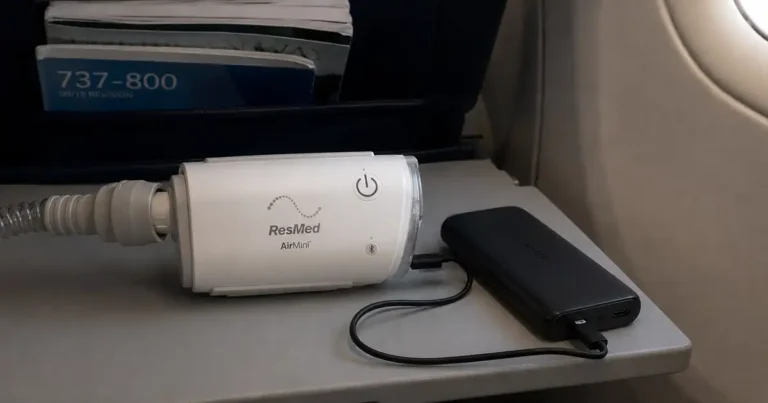
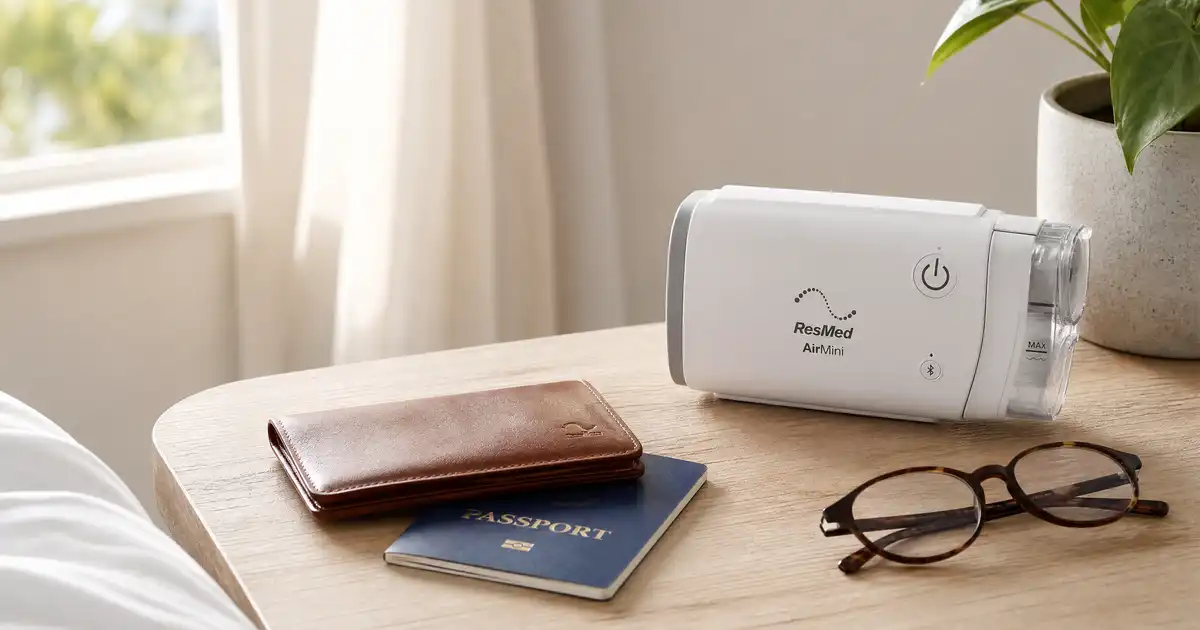
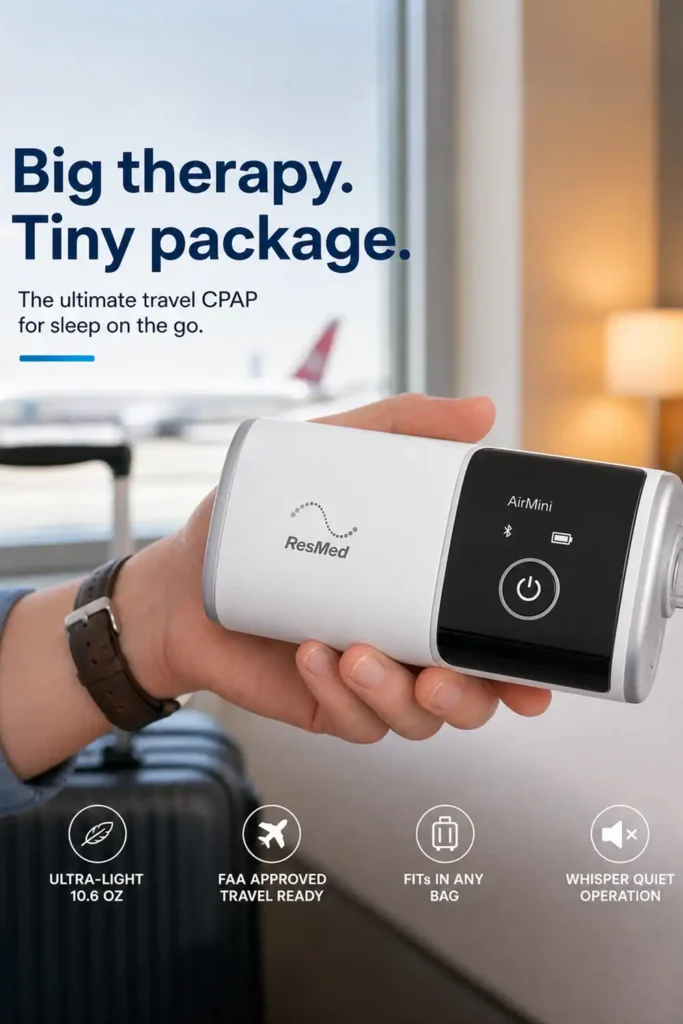
Point 1 — The “convenience” classification. Most travel CPAPs (AirMini, Breas Z2, Transcend Micro) are sold direct-to-consumer through retail channels. Manufacturers designed them for travel convenience, not as primary DME. Insurers use that framing to deny coverage.
Point 2 — One machine per cycle. Most insurance plans cover one CPAP machine per 3-5 year cycle. Your insurer’s position is simple: you already have a primary machine. The travel unit is a second device for personal convenience.
Point 3 — Non-participating suppliers. Travel CPAPs are typically sold through authorized CPAP retailers, not enrolled DME suppliers. Your insurer may reject any claim submitted outside their approved supplier network.
What Medicare Actually Says About Travel CPAPs
Medicare Part B covers CPAP machines as DME under specific conditions. The coverage rules come from the Centers for Medicare & Medicaid Services.
The official position: Medicare classifies travel CPAPs as optional add-ons. The SleepApnea.org Medicare guide states clearly: “Optional add-ons or nice-to-haves like travel CPAPs… aren’t covered.”
The one-machine rule: Medicare covers one CPAP machine per 5-year cycle under its DME policy. You could theoretically claim a travel CPAP as your one covered machine. The problem: Medicare then won’t cover a standard full-size unit during that same cycle. Most patients need their DME allowance for the primary machine.
The 2026 Part B deductible: Medicare covers 80% of the approved amount after you meet the $283 Part B deductible. For a $900 AirMini, that math produces about $180 patient cost — but only if Medicare approves the claim. Most travel CPAP claims don’t reach the 80% stage because they’re denied before review.
Medicare Advantage: Some MA plans offer broader DME coverage than Original Medicare. Check Medicare.gov’s DME coverage guide for the official coverage rules. Call your plan directly. Ask specifically whether travel CPAP machines qualify as covered DME under your plan’s benefit schedule.
What Private Insurance Says
Private insurers follow Medicare’s lead on most DME decisions. Private insurers typically mirror the Medicare denial logic:
- Medically necessary equipment is already covered (your primary machine)
- The travel unit is a supplementary convenience device
- Covered DME requires purchase through an in-network supplier
Some exceptions exist. A few plans cover a second machine with physician documentation of need. The letter must show why the primary machine cannot be used.
That bar is high. For most patients, private insurance won’t cover a travel CPAP.
Three Paths That Actually Work
Insurance denial is frustrating. These three paths work reliably.
Path 1: FSA or HSA (Best Option)
Your FSA or HSA covers travel CPAP machines with a valid prescription. The IRS classifies all CPAP equipment as eligible medical expenses. The IRS draws no distinction between travel and full-size CPAPs.
A full guide covering FSA eligibility, account limits, and the payment process lives at my is travel cpap covered by fsa guide.
2026 FSA limit: $3,300. An AirMini runs $700-$900. One purchase covers most of a year’s FSA contributions.
HSA advantage: Funds roll over indefinitely. No December 31st deadline. HSA is the cleaner long-term tool for CPAP equipment purchases.
Path 2: Appeal the Denial
Insurance denials are not final. You have the right to appeal. A well-documented appeal succeeds more often than patients expect.
What to include in the appeal:
- A Letter of Medical Necessity from your physician. The letter should state that the travel CPAP is required for medical therapy during travel or in situations where the primary machine cannot be used.
- Documentation of any travel-related medical need (flight frequency, remote work locations, documented camping or outdoor medical use).
- A statement that the travel CPAP will be used as primary therapy, not as a backup convenience device.
Appeals take time — typically 30-60 days for a first-level review. Some states require insurers to respond within 30 days. Know your state’s timeline.
Path 3: Out-of-Pocket With Tax Deduction
Travel CPAPs are deductible as medical expenses on IRS Schedule A. The rule: unreimbursed medical expenses above 7.5% of AGI are deductible.
The math works best for higher-cost patients with significant medical expenses. A single AirMini at $900 may not reach the 7.5% AGI threshold. Combined with other medical expenses for the year, it can.
Keep your receipt. Keep your prescription. Keep any records of medical necessity. Your tax preparer handles the Schedule A claim.
For the full insurance coverage guide covering Medicare, private plans, and DME rules, see my cpap insurance coverage guide.
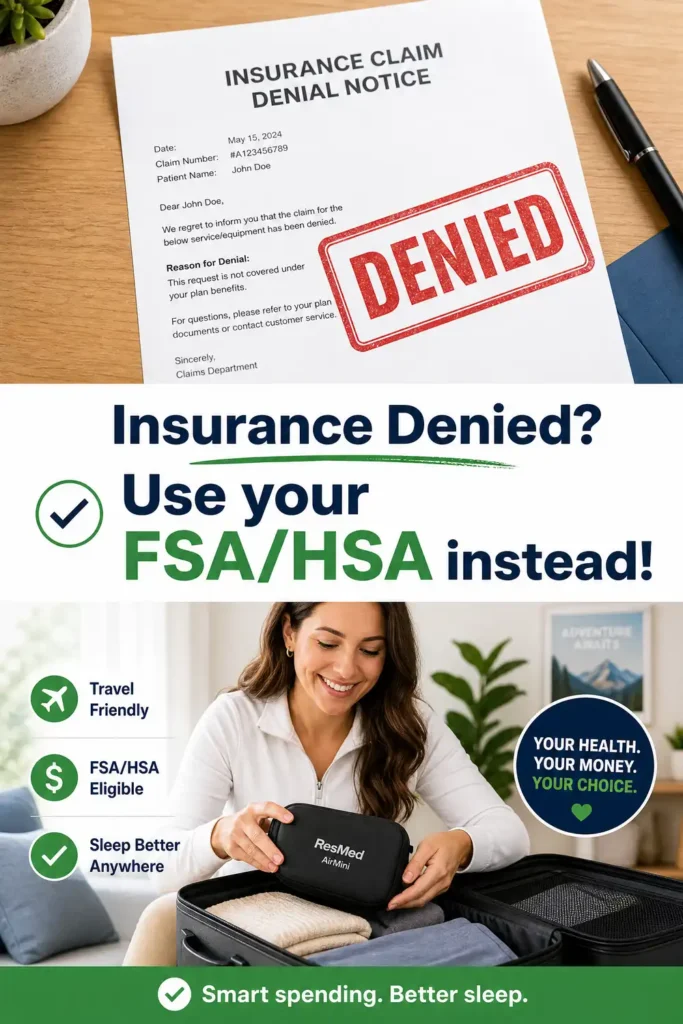
The Fastest Path: FSA + Authorized Retailer
For most patients, the FSA path is the cleanest solution. No appeal. No wait. No denied claim.
The process in four steps:
- Confirm your FSA or HSA balance before purchase.
- Get a valid CPAP prescription from your sleep physician.
- Buy the travel CPAP at an authorized CPAP retailer (CPAP.com, Sleeplay, The CPAP Shop). Use your FSA or HSA card at checkout.
- Keep the receipt for your records.
The entire transaction takes one day. No prior authorization. No insurer coordination.
The primary machine stays on your insurance DME record. The travel CPAP goes through FSA. Both are covered. No conflict.
FAQs: Travel CPAP and Insurance
Will Medicare ever cover a travel CPAP?
Technically yes — as your single CPAP in the 5-year DME cycle. But that trades your primary machine coverage for a travel unit. Almost no Medicare patient benefits from that trade. Use FSA or HSA instead.
Can I appeal a travel CPAP denial successfully?
Yes, especially with strong Letter of Medical Necessity documentation. A physician’s letter shifts the framing from convenience to medical necessity. Strong documentation lifts appeal odds.
Does Medicaid cover travel CPAPs?
Medicaid CPAP coverage varies by state. Most states follow Medicare’s DME classification, which excludes travel units. Contact your state Medicaid office directly to verify your state’s current policy.
What if my insurance covers only part of the cost?
Submit a claim for whatever portion your insurer might cover. Apply any approved insurance reimbursement to the purchase. Pay any remaining balance with FSA or HSA funds.
Is the AirMini prescription the same as my regular CPAP prescription?
Yes. A CPAP prescription specifies the therapy type and pressure settings. It applies to any compliant CPAP device — full-size or travel. Your existing prescription covers the AirMini purchase.
Can I get a second CPAP through insurance after 5 years?
Yes. Medicare and most private plans reset the DME benefit after 3-5 years. At that point, you can claim a new machine through your insurer. Most patients use that benefit for a full-size unit. Travel CPAPs go through FSA.
Bottom Line
Insurance usually says no to travel CPAPs. Across Medicare and private plans, travel units are classified as convenience devices. Not medically necessary DME.
The workaround is clean. FSA and HSA cover travel CPAPs without any insurance coordination. Your FSA card pays at checkout. Your primary machine stays on your insurance record. Both work simultaneously.
For the FSA payment guide, see my is travel cpap covered by fsa guide. For the full CPAP insurance breakdown, see my cpap insurance coverage guide.
For powering your travel CPAP away from the grid, see my battery powered cpap guide.