Medicare Part B DME Emergency Backup Coverage: What’s Actually Covered (It’s $0)
 By Lee Arnold
Medical Solar Power Backup Specialist | 8+ years in the field
Quick Answer:
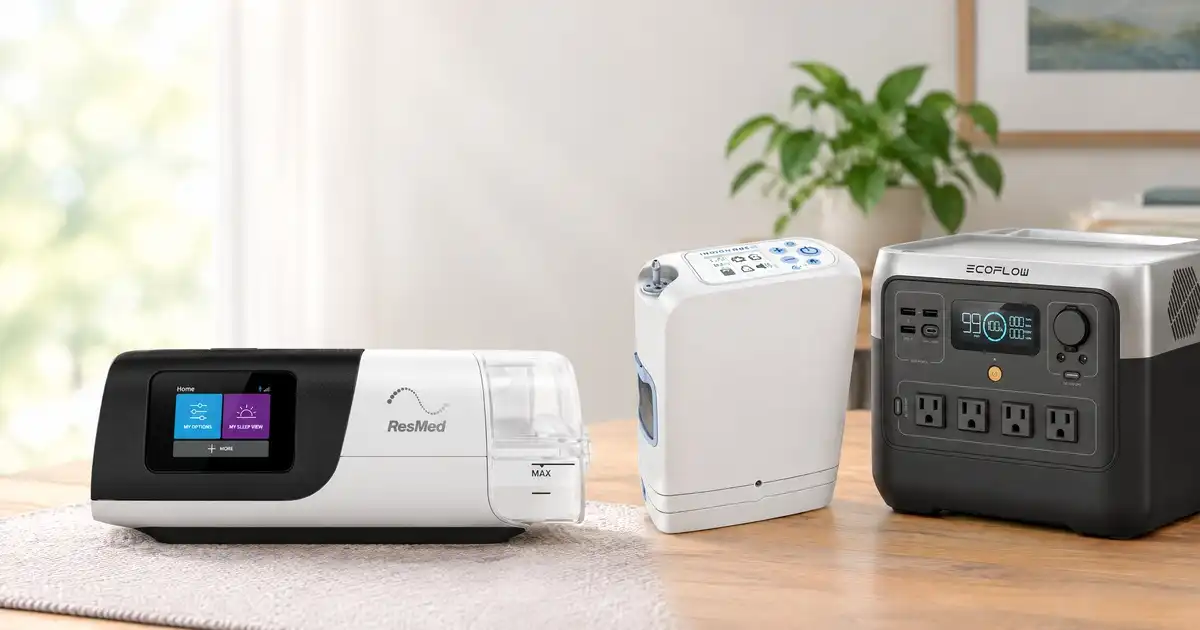
Medicare Part B DME emergency backup coverage doesn’t exist as a distinct benefit. Medicare does not cover backup power equipment — batteries, generators, or solar generators — for your CPAP, oxygen concentrator, or dialysis machine. Medicare’s own back-up equipment policy states it plainly: “Medicare does not pay separately or make an additional payment for backup equipment.”
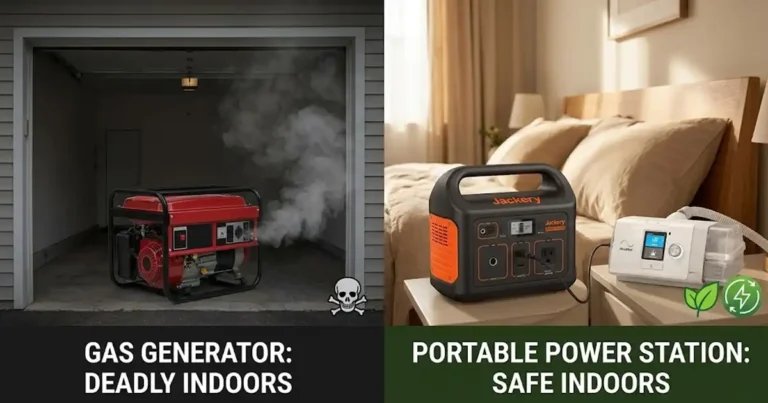
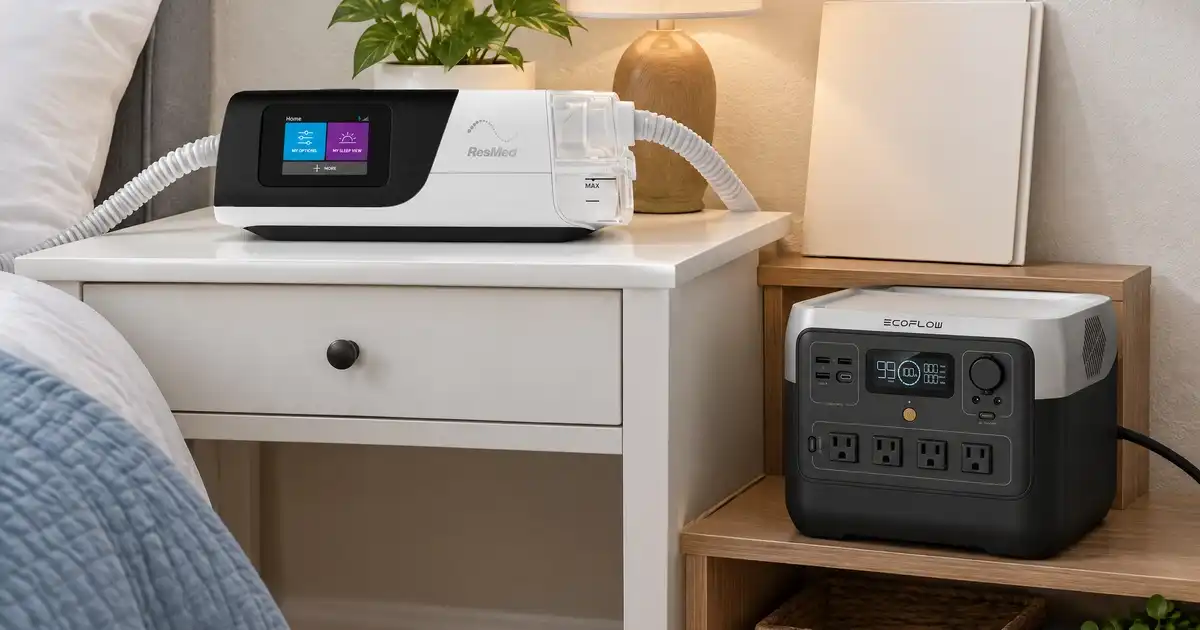
The reasoning is specific: a generator or power station isn’t itself medical equipment, even though it powers medical equipment. Only the device it’s connected to can qualify as DME.
Real alternatives exist, though: some Medicare Advantage plans offer supplemental benefits broad enough to stretch to this, several state Medicaid waivers explicitly cover generators for medically fragile enrollees, and HSA/FSA funds can reimburse backup power with a letter of medical necessity.
Most search results for this topic are generic “does Medicare cover DME” explainers that never get specific about backup or emergency equipment. This one goes straight to Medicare’s own back-up equipment policy and the actual alternative pathways that exist when Part B says no.
Table of Contents
What DME Coverage Actually Requires
Medicare’s own criteria for durable medical equipment are specific: equipment must be durable enough for repeated use, serve a medical reason, be typically useful only to someone who’s sick or injured, be used in your home, and be expected to last at least three years.
A CPAP machine, an oxygen concentrator, and a dialysis machine all meet that definition — which is exactly why Medicare Part B covers them (typically 80% of the Medicare-approved amount after your deductible). A battery or generator that powers one of those devices doesn’t meet the same test on its own; it’s infrastructure that supports medical equipment, not equipment that treats a medical condition itself.
Why “Backup Equipment” Specifically Gets Excluded
This is the part most explainers skip entirely. Noridian’s own Medicare Administrative Contractor policy has a specific category for this exact question, called back-up equipment, defined as “an identical or similar device that is used to meet the same medical need for a beneficiary but is provided for precautionary reasons.”
The policy is direct: “Medicare does not pay separately or make an additional payment for backup equipment.” The examples given are telling — a second ventilator kept bedside in case the first one fails, or a second infusion pump billed as a backup, are both explicitly non-covered under this rule.
A solar generator or backup battery purchased specifically to keep your primary device running during a power outage falls into exactly this category: precautionary, not primary. It’s the same principle, whether the “backup” is a second identical medical device or a power source for your one device.
One real exception worth knowing: Medicare does cover multiple devices when each serves a genuinely different medical purpose — a different ventilator type for daytime versus nighttime use, for instance. That’s not a backup scenario; it’s two distinct medical needs.
The “Frequent and Substantial Servicing” Detail
Some DME categories, including certain ventilators, are reimbursed through monthly rental payments under what Medicare calls frequent and substantial servicing. If you’ve heard that this category includes contingency planning for equipment failure, that’s accurate — but it doesn’t create a separate backup-power benefit.
The monthly rental reimbursement is already built to include the supplier’s contingency plan for equipment servicing and replacement. That’s a different thing entirely from paying for your own backup power source at home. The contingency plan lives with your DME supplier’s service obligation, not with a power station you buy and keep at home.
Could a Medicare Advantage Plan Cover This Instead?
Traditional Medicare Part B is a flat no on backup power. Medicare Advantage plans work differently, and this is where the real “it depends” enters the picture.
Since 2020, CMS has allowed Medicare Advantage plans to offer Special Supplemental Benefits for the Chronically Ill (SSBCI) — benefits that don’t have to be primarily health-related, as long as there’s “a reasonable expectation of improving or maintaining the health or overall function” of a chronically ill enrollee.
CMS’s own guidance lists real precedent categories like indoor air quality equipment and home modifications, which sit in a similar space to backup power for medical equipment.
Generators and backup batteries aren’t named anywhere in CMS’s official SSBCI category list, which means this isn’t a benefit you can count on. It’s entirely plan-dependent: some Medicare Advantage plans with a strong SSBCI benefit design might cover something like this for a qualifying chronically ill member, and most won’t.
The only way to know is to call your specific plan and ask directly whether backup power for medical equipment falls under any supplemental benefit you’re enrolled in.
The Alternative That Actually Has Teeth: State Medicaid Waivers
A real path opens up for anyone who, or whose family member, qualifies for Medicaid home and community-based services: several states cover generators directly, with dollar limits attached.
Texas is a clear, documented example. Its STAR+PLUS HCBS waiver covers backup generators as adaptive aids up to $10,000 per service plan year. The Medically Dependent Children Program covers them up to $4,000 annually when the generator helps a child perform daily living activities or control their living environment.
The CLASS and DBMD waivers separately cover emergency gas-powered generators for critical medical equipment, up to a $10,000 lifetime limit for home modifications.
Every state’s Medicaid waiver structure is different, and not every waiver in every state covers this — Texas’s own HCS and TxHmL waivers explicitly exclude generator coverage, for instance, even within the same state. If this applies to you, the right move is contacting your state’s Medicaid waiver caseworker directly, not assuming coverage either way.
What Actually Works: HSA and FSA Funds
Outside of insurance entirely, HSA and FSA funds can reimburse a backup power purchase when it’s tied to a prescribed medical device with a letter of medical necessity. This isn’t Medicare or Medicaid coverage — it’s tax-advantaged money you’ve already set aside, used for an expense insurance won’t touch.
We cover the actual template and process in our letter of medical necessity guide, built on the real FSAFEDS LMN form structure and appeals process.
How This Differs From Our CPAP Insurance Guide
Our CPAP insurance coverage guide walks through how Medicare Part B actually pays for a CPAP machine itself — the 80% coverage, the 13-month rental structure, and the 90-day compliance requirement — and mentions in passing that backup power isn’t included.
This guide goes deep specifically on that exclusion: the actual Medicare policy language behind it, why it applies across all DME categories (not just CPAP), and the real alternative pathways — Medicare Advantage, Medicaid waivers, and HSA/FSA — that exist once you know Part B itself says no.
FAQs
Does Medicare Part B cover a backup generator for my oxygen concentrator?
No. Medicare’s own back-up equipment policy explicitly excludes backup power sources and duplicate devices kept for precautionary reasons, regardless of which DME device they’re powering.
Will Medicare pay for an extra battery for my portable oxygen concentrator?
Generally no. A standard battery that comes with the unit is part of covered DME, but an additional or extended-capacity battery purchased for backup runtime is typically treated as an optional upgrade you’d pay for out of pocket.
Does Medicare Advantage cover backup power any differently than Original Medicare?
It can, but only through specific supplemental benefit designs, and it’s not guaranteed. Some plans offer Special Supplemental Benefits for the Chronically Ill broad enough to potentially cover this; CMS doesn’t list generators or backup batteries as a named category, so you’d need to confirm directly with your specific plan.
Can Medicaid cover a generator if Medicare won’t?
In some states, yes, through home and community-based services waivers, typically with annual or lifetime dollar limits and a requirement that the generator supports a documented medical need. Coverage varies significantly by state and by which specific waiver you’re enrolled in.
If insurance won’t cover it, is there any way to get help paying for backup power?
HSA and FSA funds can reimburse the purchase with a letter of medical necessity, which is separate from insurance coverage. Some utilities also offer discounted rates or priority restoration for medical-baseline customers, covered in our guide to medical power outage patient rights, though that’s about service priority, not equipment cost.
Bottom Line
Medicare Part B DME emergency backup coverage comes down to one consistent rule: Medicare pays for the medical device itself, not the power source that keeps it running during an outage. That’s Medicare’s own back-up equipment policy, not an assumption or a gap in the system.
Medicare Advantage might help, depending entirely on your specific plan’s supplemental benefit design. State Medicaid waivers genuinely do help in some states, with real dollar limits attached. And HSA/FSA funds remain the most broadly available option, since they don’t depend on insurance coverage rules at all.
This article reflects Medicare Administrative Contractor policy and CMS supplemental benefit guidance current as of October 2026. Medicare Advantage supplemental benefits and state Medicaid waiver rules change and vary significantly by plan and state — confirm current details directly with your specific plan or state Medicaid office before making purchasing decisions. This is not insurance, legal, or financial advice; consult your plan administrator or a licensed insurance counselor for guidance specific to your coverage.